
lavadahorgan2
About lavadahorgan2
6 Methods To Get By means of To Your Estateagents
The real estate market does not move in one direction nationwide. It never has. What is happening in Austin is not what is happening in Cleveland. What is true for a three-bedroom in the suburbs of Dallas has almost nothing to do with a two-bedroom in San Francisco. Before you do anything else, narrow your focus to the specific market you are shopping in and stop reading national headlines as if they apply to you personally.

 Affordability, by the standard measure of what share of median household income goes toward the monthly payment on a median-priced home, is near its worst level since the early 1980s. That is a real problem, and it is not going away quickly. That measure being at a historical extreme does not automatically produce a correction. What it means, practically, is that the buyer who can close confidently has more leverage than the headline numbers suggest.
 Shop multiple loan officers to compare rates and fees. A quarter-point difference in your interest rate adds up to tens of thousands of dollars over the life of most home loans. Lender fees vary too. Request itemized fee schedules so you can compare apples to apples.
 The appraisal is the lender’s check, not yours. If the home appraises below the contract price, the lender will only finance against the appraised value. Ask your agent whether recent comparable sales support the price you are offering.
Budget two to four percent of the purchase price for closing costs, on top of your down payment. First-time buyers routinely underestimate this number. Ask your lender for a Loan Estimate before you make any offers, so you can plan your cash position accurately.
 The timing question, whether to buy now or wait for a better moment, is the one that trips up more buyers than any other single factor. No one consistently times the real estate market. The more useful question is not whether now is the right time in the abstract; it is whether you can carry the payment without strain.
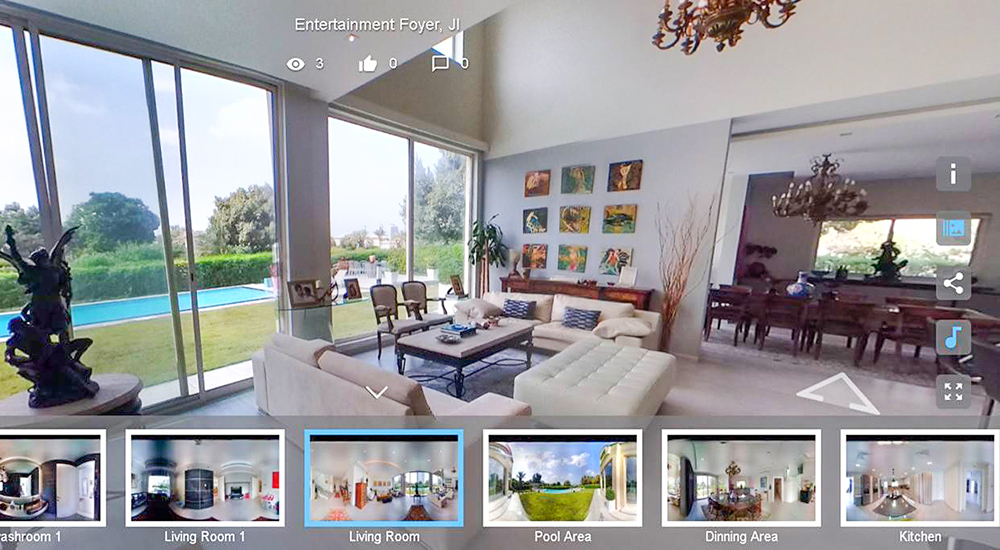 Buyers who take the time to do their homework tend to find that the market is more navigable than the headlines suggest. Spending twenty minutes with current homes for sale and market analytics is a better use of your time than waiting for conditions that may never arrive.
No listing found.